 A Printing United Alliance and FESPA Member
What Print Shops Get Wrong About Prepress Turnaround Time
- 28th May 2026
- Prepress Services
- Alpha Prepress.
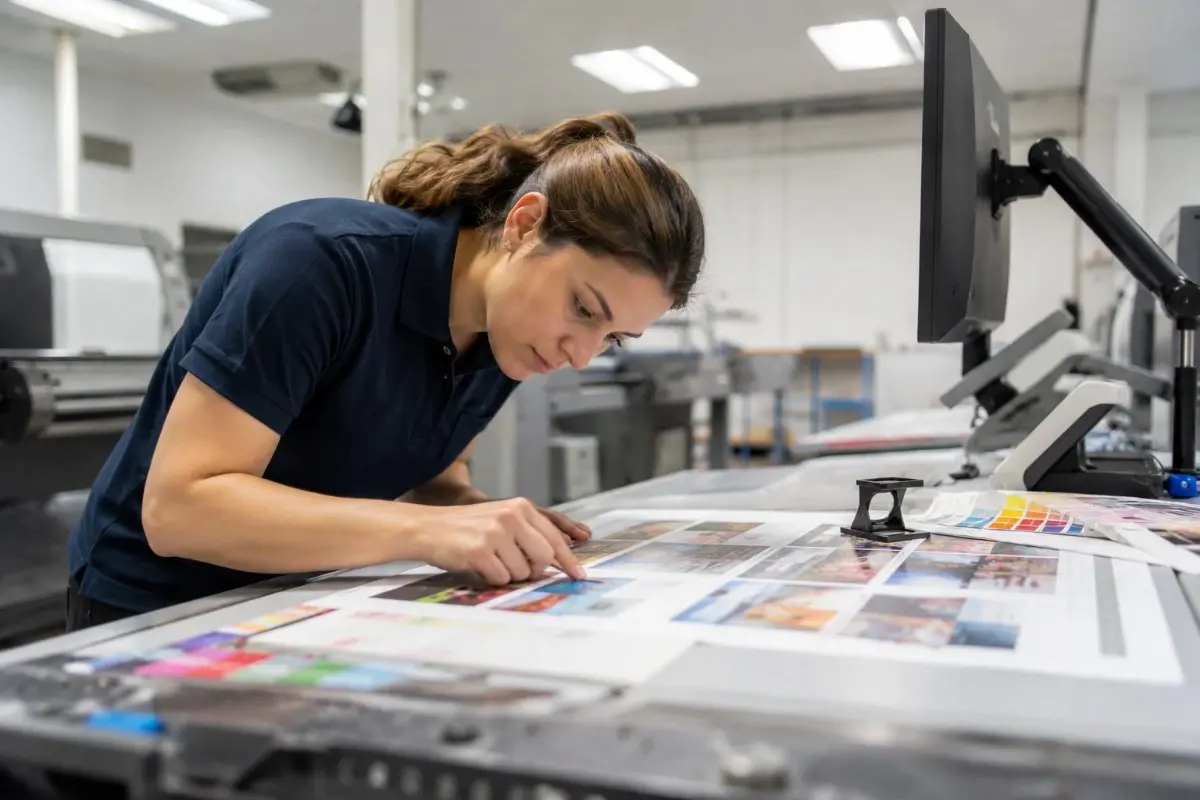
In commercial printing, production speed often becomes a selling point before file readiness receives proper attention. Many print shops promise fast delivery schedules, yet internal delays frequently begin long before presses start running.
The issue rarely stems solely from machinery limitations. Instead, weak file preparation processes, inconsistent approvals, and rushed artwork handling quietly extend production timelines. Professional prepress services help reduce operational disruptions, supporting more reliable production schedules and fewer interruptions.
Across global print markets, turnaround pressure continues to rise as clients demand shorter lead times without compromising quality standards. Packaging jobs, signage projects, retail campaigns, and large format printing all demand faster execution today.
However, many overlook how prepress turnaround time directly affects downstream stages such as installation and delivery. Small artwork inconsistencies can delay installations, trigger reprints, or disrupt delivery commitments completely. Reliable digital prepress services help prevent these operational setbacks before they become expensive production problems.
1. Speed Without File Stability
Many print shops focus heavily on press capacity while underestimating the importance of proper file preparation in meeting schedules. Production teams often accept incomplete files to maintain promised timelines. Rushed approvals can lead to longer delays later during proofing, colour correction, or finishing. Reliable prepress services help foster trust by ensuring files are ready for production before it begins.
A common industry mistake is treating prepress turnaround time as a simple administrative step rather than a production-critical process. In reality, file preparation influences almost every department within commercial printing operations. Packaging layouts require dieline accuracy, and adherence to standards like PDF/X ensures print-ready files. Large format prepress demands scaling precision, and retail signage projects need installation-safe panel consistency. When artwork enters production without proper validation, downstream teams lose valuable operating time correcting preventable issues.
Several operational problems repeatedly appear inside overloaded print environments:
- Missing bleed and trim specifications
- Incorrect colour profile conversions
- Low-resolution linked graphics
- Inconsistent font packaging
- Hidden transparency conflicts
- Incorrect large format scaling
Each issue appears small on its own, yet, when combined, errors significantly slow production workflows. Professional prepress solutions help production managers reduce these disruptions while improving delivery reliability across complex printing schedules.
2. Misjudging Real Production Bottlenecks
Many printers assume production delays originate directly from press availability or from limitations in finishing equipment. However, experienced operators often identify artwork inconsistencies as the real source of workflow interruptions. Jobs frequently pause during proofing because files arrive incomplete, incorrectly layered, or incompatible with finishing requirements. Strong prepress services prevent these bottlenecks before production departments lose valuable operational hours.
Commercial print environments now handle an increasingly varied set of project types every week. Packaging printers manage regulatory layouts alongside retail branding updates. Signage providers process oversized graphics requiring installation alignment accuracy. Digital printers balance short-run campaigns with personalized variable data outputs.
Each category introduces unique technical considerations that affect prepress turnaround time and scheduling efficiency. ISO 15930 PDF/X standards help ensure print-ready files remain consistent across commercial printing workflows. The table below highlights how overlooked prepress issues commonly affect production performance:
| Prepress Issue | Production Impact | Business Consequence |
|---|---|---|
| Incorrect dielines | Packaging alignment errors | Reprints and delayed dispatch |
| Low-resolution graphics | Blurred print quality | Client dissatisfaction |
| Font inconsistencies | Text replacement problems | Approval delays |
| Colour conversion mistakes | Brand mismatch issues | Expensive corrections |
| Scaling inaccuracies | Installation misalignment | Site fitting problems |
| Missing bleed setup | Finishing trim errors | Material waste |
Reliable packaging prepress services significantly reduce these risks by ensuring specialists understand production requirements before files enter press scheduling queues.
3. Overnight Prepress Workflows Need Structure
Many print businesses now depend on offshore support models to maintain competitive turnaround expectations. Overnight artwork processing enables production teams to begin proofing each morning. However, without structured workflows, delays can occur instead of improvements. Clear communication and detailed instructions are essential; they help streamline processes, reduce errors, and ensure timely delivery across offshore operations.
Successful offshore digital prepress services operate through structured workflows rather than simple labour cost reduction strategies. Implementing detailed artwork handling systems, including clear file instructions and quality checks, minimizes confusion across time zones and production departments. This structured approach ensures faster turnaround times, reduces errors, and maintains consistent quality, which is especially critical for high-volume print brokers managing multiple client revisions simultaneously.
Effective offshore prepress partnerships usually include:
- Standardized file submission procedures
- Clear proof of approval responsibilities
- Dedicated communication channels
- Consistent artwork version tracking
- Production-ready quality control stages
- Escalation systems for urgent jobs
Without these operational systems, outsourced prepress turnaround time becomes unpredictable and stressful to manage. Print businesses often discover hidden workflow delays only after missing deadlines. Reliable prepress solutions reduce operational stress by improving communication, strengthening the overall prepress process, and ensuring smoother production schedules.
4. Large Format Files Complicate Timing
Large format printing introduces unique production pressures that many general print providers underestimate completely. Vehicle wraps, retail displays, event signage, and architectural graphics all require specialized preparation processes before printing begins. Large files with layered transparency effects, linked imagery, or complex scaling significantly increase processing demands. Strong, large format prepress support helps clients feel confident that installation complications, delays, and waste are minimized, ensuring timely project completion.
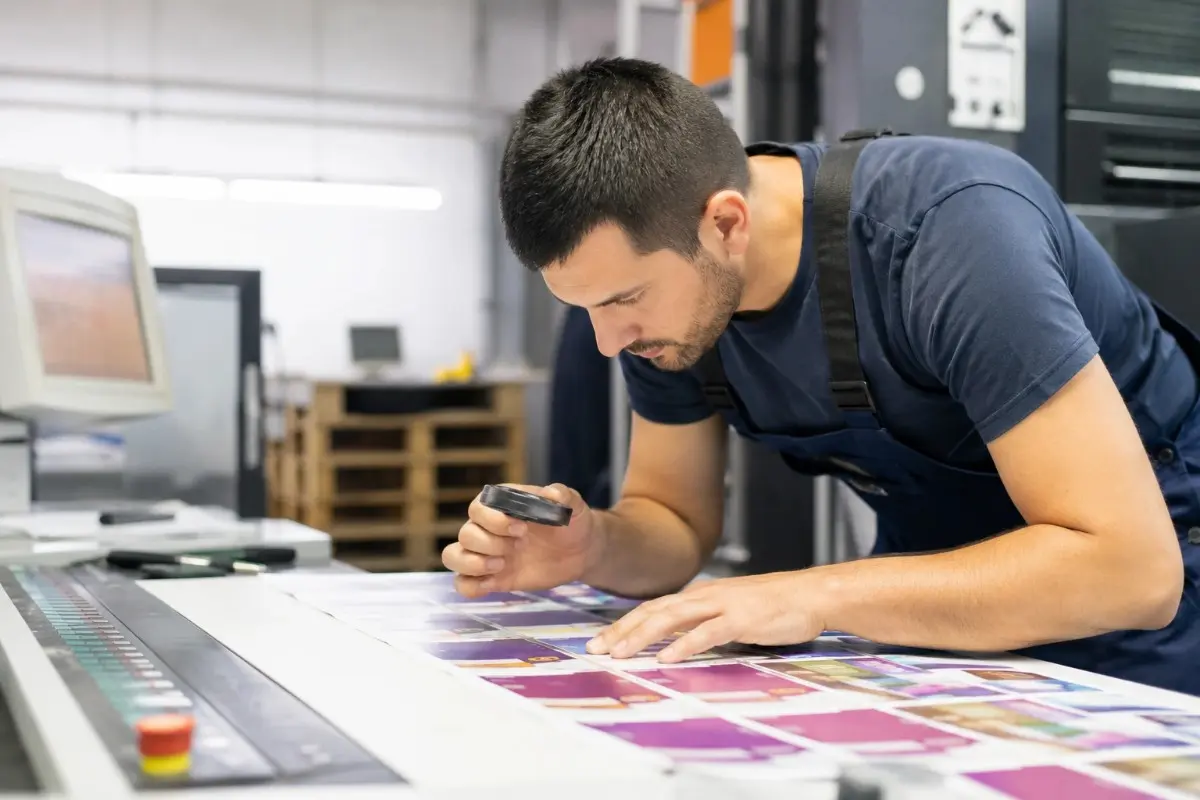
Many print shops incorrectly assume large format prepress involves enlarging standard artwork dimensions. In reality, oversized production environments require careful attention to viewing distances, substrate behaviour, panel continuity, and installation alignment. Installation errors become far more expensive once oversized graphics reach onsite application stages. Strong, large format prepress support helps prevent installation complications and production waste.
Prepress turnaround time becomes especially sensitive during retail campaign rollouts involving multiple locations. One delayed approval or incorrect scaling adjustment can disrupt nationwide installation schedules rapidly. Experienced production managers, therefore, prioritize file readiness before committing to final delivery timelines. Fast turnaround means little if incorrect panels arrive onsite, requiring urgent replacement production.
This operational pressure increases further during seasonal campaigns when retailers demand accelerated delivery schedules. Reliable prepress services help print businesses maintain consistency during these high-volume periods while reducing stress across production departments.
5. Packaging Deadlines Leave Little Margin
Packaging production environments operate under tighter technical requirements than many general commercial printing sectors. Carton layouts, barcode positioning, nutritional panels, regulatory compliance, and finishing tolerances all require careful verification before printing begins. Even minor artwork mistakes can significantly affect supply chain timelines once packaging enters manufacturing.
Unfortunately, many print providers still underestimate the impact of packaging prepress services on broader operational efficiency. Delays during artwork preparation often ripple through filling schedules, warehouse planning, and retail launch dates. Unlike marketing collateral, packaging production rarely allows generous correction windows after manufacturing begins.
Several recurring packaging workflow challenges continue affecting prepress turnaround time across the industry:
- Last-minute regulatory content updates
- Incorrect barcode placement
- Multi-language artwork inconsistencies
- Dieline version confusion
- Colour variation across substrates
- Finishing incompatibility issues
Experienced prepress partners identify these risks early through structured quality control systems. This reduces approval delays while supporting smoother communication between designers, production managers, and packaging manufacturers.
Packaging environments also demand stronger version control than standard commercial print projects. A single outdated file entering production can affect thousands of printed units immediately. Reliable digital prepress services help prevent costly operational errors by implementing disciplined workflow management.
6. Internal Teams Face Constant Pressure
Many in-house production teams operate under constant scheduling pressure while managing increasingly complex client demands. Artwork revisions now arrive continuously through email chains, cloud platforms, messaging systems, and client portals. Without organized prepress support, internal operators often spend more time resolving file confusion than preparing production-ready artwork.
Print businesses frequently underestimate the operational fatigue caused by reactive artwork-correction processes. Staff members working under continuous deadline pressure naturally prioritize urgent production tasks over preventative quality control measures. Over time, this creates inconsistent workflows and avoidable production errors that directly affect profitability.
Professional prepress services provide operational stability during these demanding periods by focusing entirely on artwork readiness and workflow consistency. Instead of overloading internal operators, structured prepress solutions support production continuity without unnecessarily increasing staffing pressure.
The most effective prepress partnerships usually improve operational areas beyond simple file preparation:
- Faster internal proof approvals
- Better communication between departments
- Reduced overnight production stress
- More predictable scheduling accuracy
- Improved client confidence levels
- Lower long-term reprint costs
These workflow improvements become particularly valuable during high-volume retail periods when production schedules leave little room for correction delays.
7. Turnaround Promises Need Accuracy
Many commercial printers market aggressive delivery timelines because clients increasingly compare suppliers based on speed expectations. However, unrealistic scheduling often damages long-term relationships when production issues repeatedly affect deadlines. Reliable delivery performance depends more on workflow accuracy than promotional turnaround claims.
Experienced production managers understand that accurate prepress turnaround time creates stronger operational consistency than rushed processing speeds alone. Stable workflows reduce internal stress while helping businesses manage customer expectations more professionally. Reliable schedules also improve resource allocation across printing, finishing, dispatch, and installation departments.
Modern prepress services, therefore, function as operational support systems rather than isolated technical departments. Strong prepress workflows protect production efficiency across every stage of commercial printing operations. Whether managing packaging runs, retail signage, or large format campaigns, organized artwork preparation remains critical to maintaining dependable delivery schedules.
Many successful print providers now treat prepress solutions as strategic operational investments rather than simple outsourced services. This mindset shift helps businesses scale production capacity without sacrificing workflow reliability or unnecessarily increasing internal workload pressure.
8. Conclusion
Prepress delays rarely begin with printing equipment limitations alone. Most production disruptions stem from inconsistent artwork handling, rushed approvals, or weak communication within workflow structures. Commercial printers, packaging providers, and signage businesses all depend on accurate file preparation to operate production schedules efficiently. Reliable prepress services help reduce operational stress, improve scheduling confidence, and prevent costly downstream corrections.
For print businesses managing demanding timelines, experienced support partners make a measurable operational difference. Alpha Prepress provides signage-aware, production-focused prepress solutions that help commercial printers deliver installation-ready, press-accurate files consistently. Whether your team requires overnight artwork handling, packaging prepress services, or large format prepress support, you can Request a Quote from Alpha Prepress to strengthen workflow efficiency and improve turnaround reliability across every production stage.
9. Frequently Asked Questions
Prepress turnaround time directly affects proof approvals, press scheduling, and delivery commitments. Delays during artwork preparation often create larger production disruptions later.
Most delays in prepress services happen because of incomplete artwork submissions, incorrect file setup, missing fonts, colour inconsistencies, or unclear approval communication between internal teams, designers, and print production departments.
Digital prepress services improve workflow stability through organized file preparation, structured proofing systems, and consistent production-ready quality checks.
Large format prepress requires accurate scaling, panel consistency, substrate awareness, and alignment that is installation-safe before printing begins.
Packaging prepress services help verify dielines, barcode placement, colour consistency, and regulatory content before manufacturing schedules are affected.
Yes, structured offshore prepress support helps businesses maintain overnight workflows, reduce internal workload stress, and improve scheduling consistency.